
How to Prevent Leaks on a Commercial Flat Roof
By High Country Roofing · Family-owned commercial roofers in Emmett, Idaho
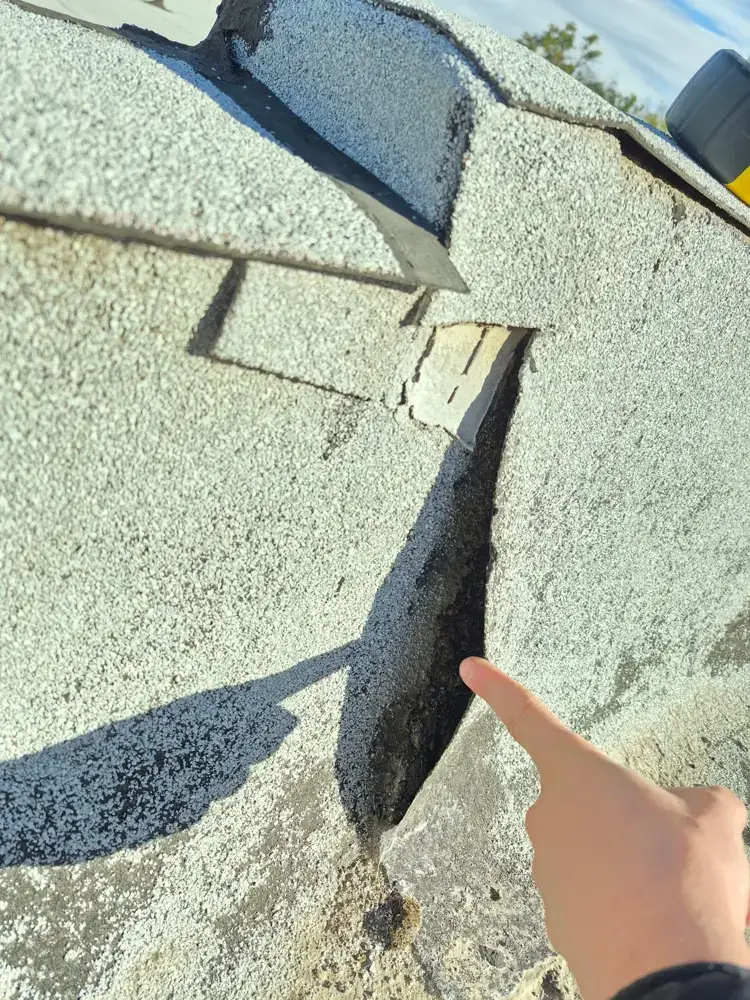
Most flat roof leaks start in the same handful of places. Knowing where they are, and checking them once a year, prevents most of the damage we see.
Where flat roofs leak
- Seams. Heat and cold make the membrane expand and contract until seams open.
- Flashings around rooftop units, curbs and walls. These transitions take the most movement.
- Pipe boots. Sun cracks the rubber boots around pipes and vents.
- Drains and scuppers. When they clog, water backs up onto the roof and finds every weak spot.
- Punctures. Foot traffic, dropped tools and service techs working on rooftop units.
What Idaho weather does
Our summers are hot and sunny, and our winters bring freeze-thaw cycles and snow that sits on low-slope roofs. Snowmelt that can't drain refreezes at night and works into seams. Spring storms can bring hail. That combination is why seams, flashings and drains need regular attention here.
Simple steps that prevent most leaks
- Keep drains, scuppers and gutters clear, especially before winter.
- Limit foot traffic and ask HVAC contractors to report any damage they cause.
- Watch for water standing more than 48 hours after rain or snowmelt.
- Fix small problems right away. A $300 seam repair now beats a ceiling and inventory claim later.
- Get the roof inspected once a year, and after big hail or wind storms.
Our maintenance plan covers a yearly inspection with a photo report, drains cleared, up to 2 hours of minor repairs at the visit, and 24-hour leak response. Already leaking? Call (208) 251-8203 or request a free roof inspection.
Common questions
Can a leak be repaired without replacing the roof?
Usually, yes. Most leaks are at seams, flashings or penetrations and can be repaired. If leaks keep coming back in different places, it's time to look at restoring or replacing.
Why is it so hard to find where a flat roof is leaking?
Water can travel under the membrane before it shows up inside, so the stain on the ceiling is often not under the hole. Tracing it takes experience and sometimes moisture testing.